Did you know that some of Butte's most beloved neighborhoods no longer exist at all, not even as ground you can stand on? On the east side of the Richest Hill, whole communities grew up in the shadow of the headframes, close enough for miners to walk to work with lunch buckets in hand. Italians settled in Meaderville, Eastern Europeans in the McQueen Addition, and Irish families in Dublin Gulch, and each neighborhood kept its own language, church, social clubs, and food.
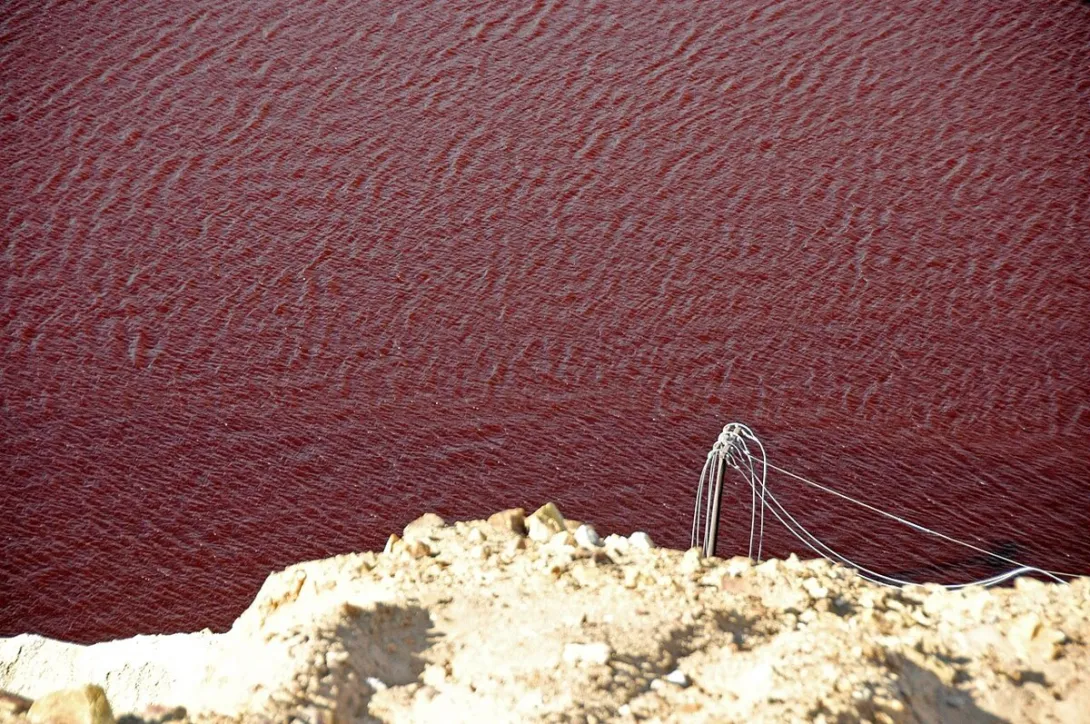
Click to see more photos of the Berkeley Pit — the open pit that swallowed Meaderville, McQueen, and East Butte
Meaderville, Butte's Little Italy, was named for Charles T. Meader, a miner who arrived in the late 1870s. Because it sat in the county rather than the city, its saloons could stay open twenty-four hours a day, and miners who worked hard underground played hard there above ground. Its real fame, though, was at the table. Italian immigrants brought their skill in the kitchen, and Meaderville's supper clubs served dinner in generous courses, a style remembered as Meaderville service, with a relish tray, soup and salad, pasta, a main dish, and dessert. Oral histories collected in Butte remember homemade wine, canning, baking bread, and a family bakery run by the Sconfienza family, and they remember a tight-knit place where everyone knew one another.
McQueen, just nearby, told a different immigrant story. Montenegrins and Croatians settled in McQueen, the Boulevard Addition, and Parrot Flat, while East Butte and Finntown added their own mix of families who worked the mines together and celebrated together. These were not temporary camps. They were lasting neighborhoods of homes, schools, churches, and baseball fields, built by people who expected to pass them on to their children.
That expectation ended when mining changed. The Anaconda Company opened the Berkeley Pit in 1955, digging the hill from the top down instead of tunneling under it, and the expanding pit needed the land the east side neighborhoods stood on. Anaconda already owned much of that land, and it bought the homes, businesses, and schools built over the ore. In 1961 the Montana Legislature gave private companies the right to use eminent domain to expand pit operations. Through the 1960s and 1970s, Meaderville, McQueen, East Butte, Dublin Gulch, and Finntown were bought out, emptied, and consumed, their buildings demolished, buried, or burned. As one former East Butte resident put it, from East Butte to Meaderville to McQueen, they are part of the Pit now.
Meaderville left one delicious survivor. Lydia Micheletti, who had worked in Meaderville restaurants as a teenager, opened Lydia's Supper Club in 1946, and it is remembered today as Butte's only remaining Meaderville-style supper club, still serving the multi-course dinners the old neighborhood made famous. So the neighborhoods themselves may be gone, their ground blasted and hauled away above the pit lake, but their memory survives in family stories, oral histories, a historical marker on Interstate 15, and every Meaderville-style meal still served in Butte.
Photo: Berkeley Pit, Butte, Montana, by James St. John, via Wikimedia Commons, CC BY 2.0.